Science
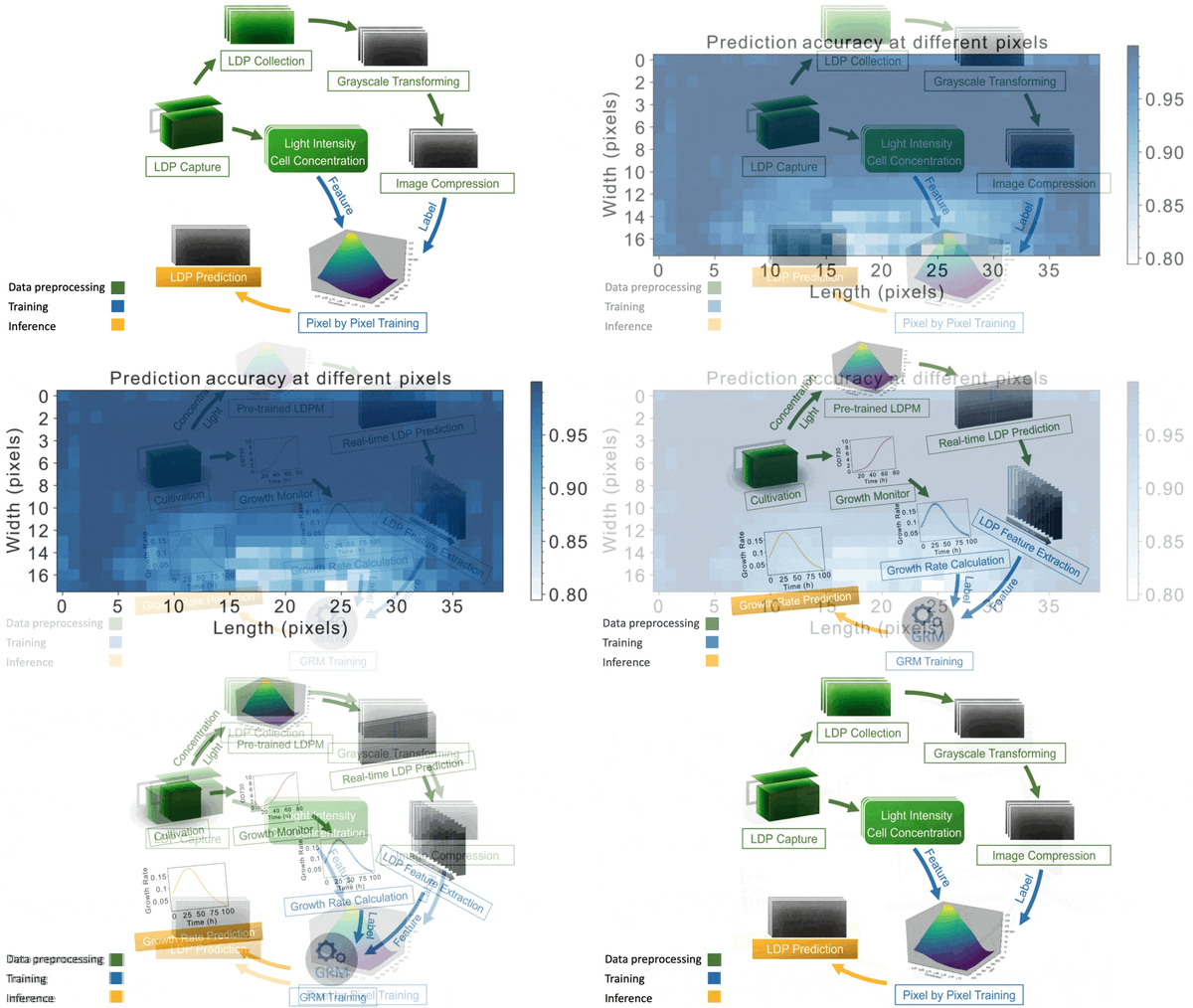
Slime Pays: AI Helps Grow Algae for Renewable Fuel
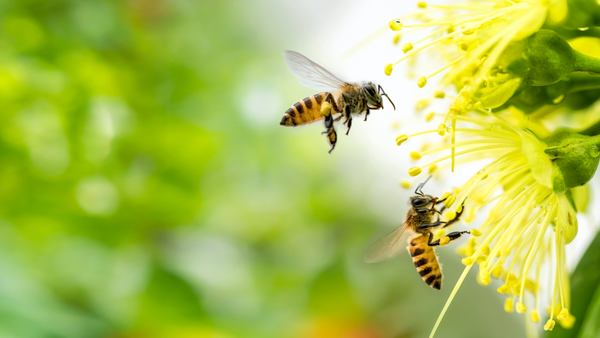
A new machine learning technique is boosting algae as a renewable, carbon-neural source of fuel for airplanes and other vehicles typically powered by fossil fuels.
Science
A new machine learning technique is boosting algae as a renewable, carbon-neural source of fuel for airplanes and other vehicles typically powered by fossil fuels.
Science
Every gene in the human genome exists in a variety of mutations, and some encode protein variants that cause cells to malfunction, resulting in illness. Yet which mutations are associated with disease is largely unknown.
Science
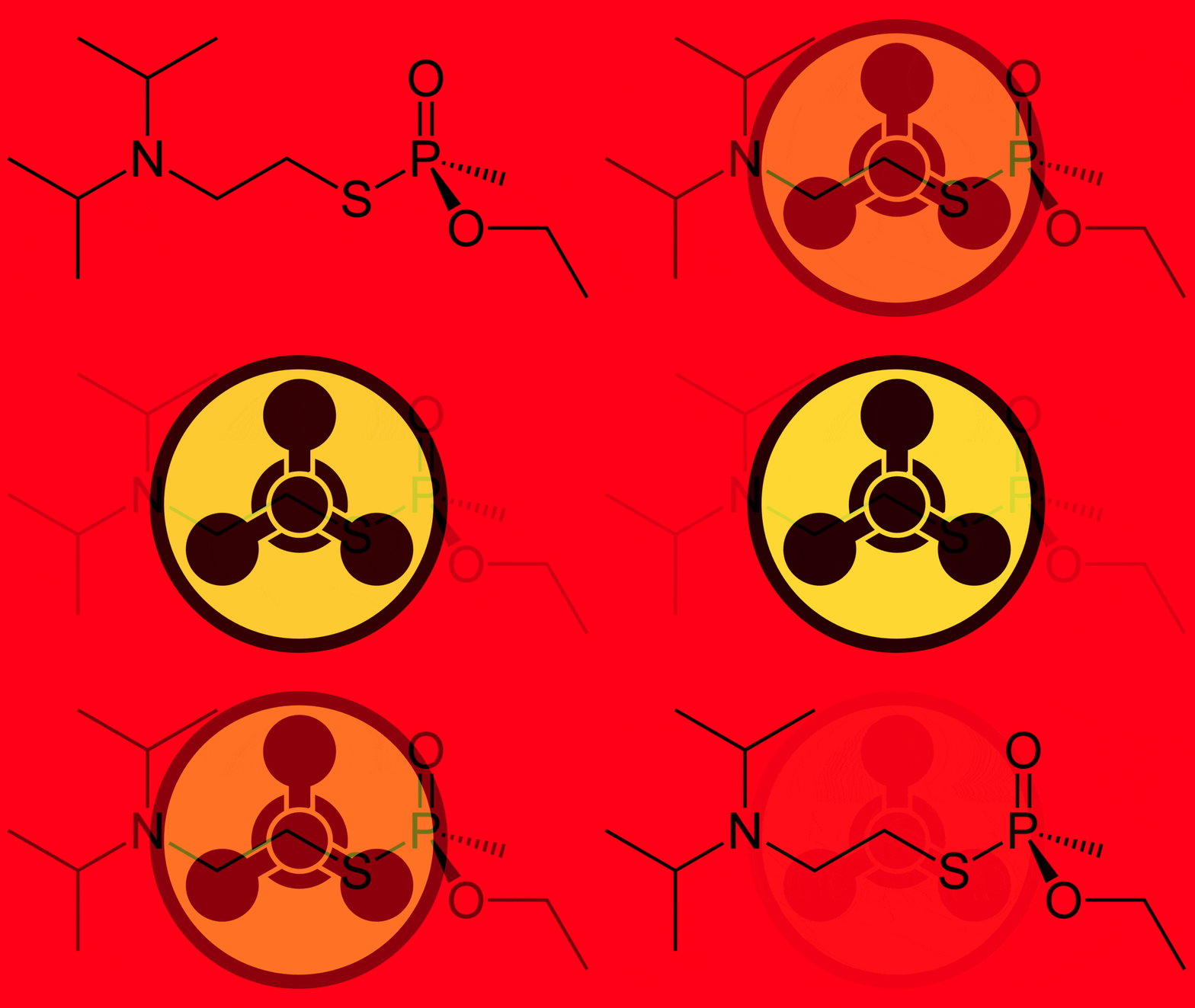
It’s surprisingly easy to turn a well-intended machine learning model to the dark side. In an experiment, Fabio Urbina and colleagues at Collaborations Pharmaceuticals, who had built a drug-discovery model to design useful compounds and avoid toxic ones, retrained it to generate poisons.
Science
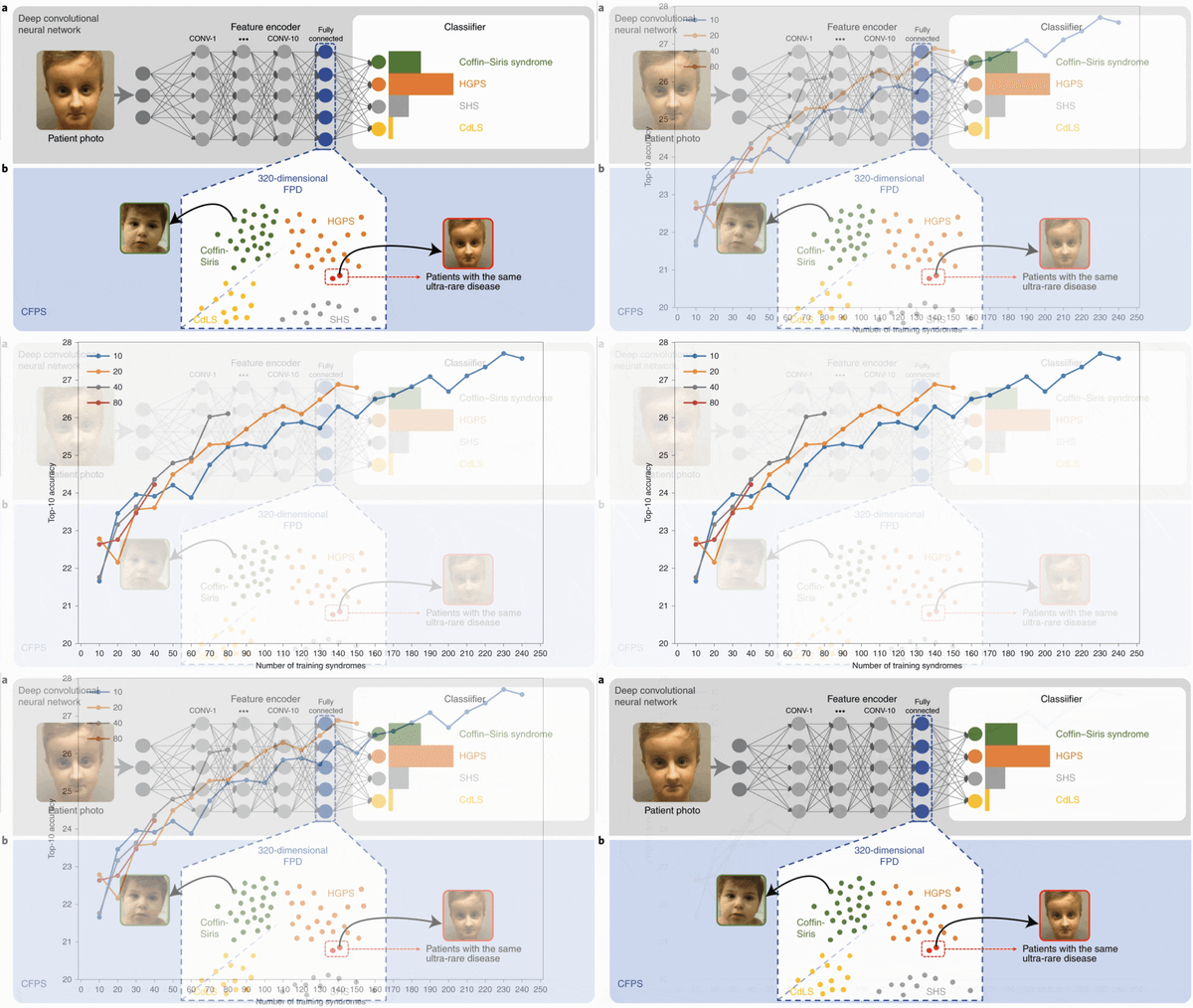
People with certain genetic disorders share common facial features. Doctors are using computer vision to identify such syndromes in children so they can get early treatment.
Science
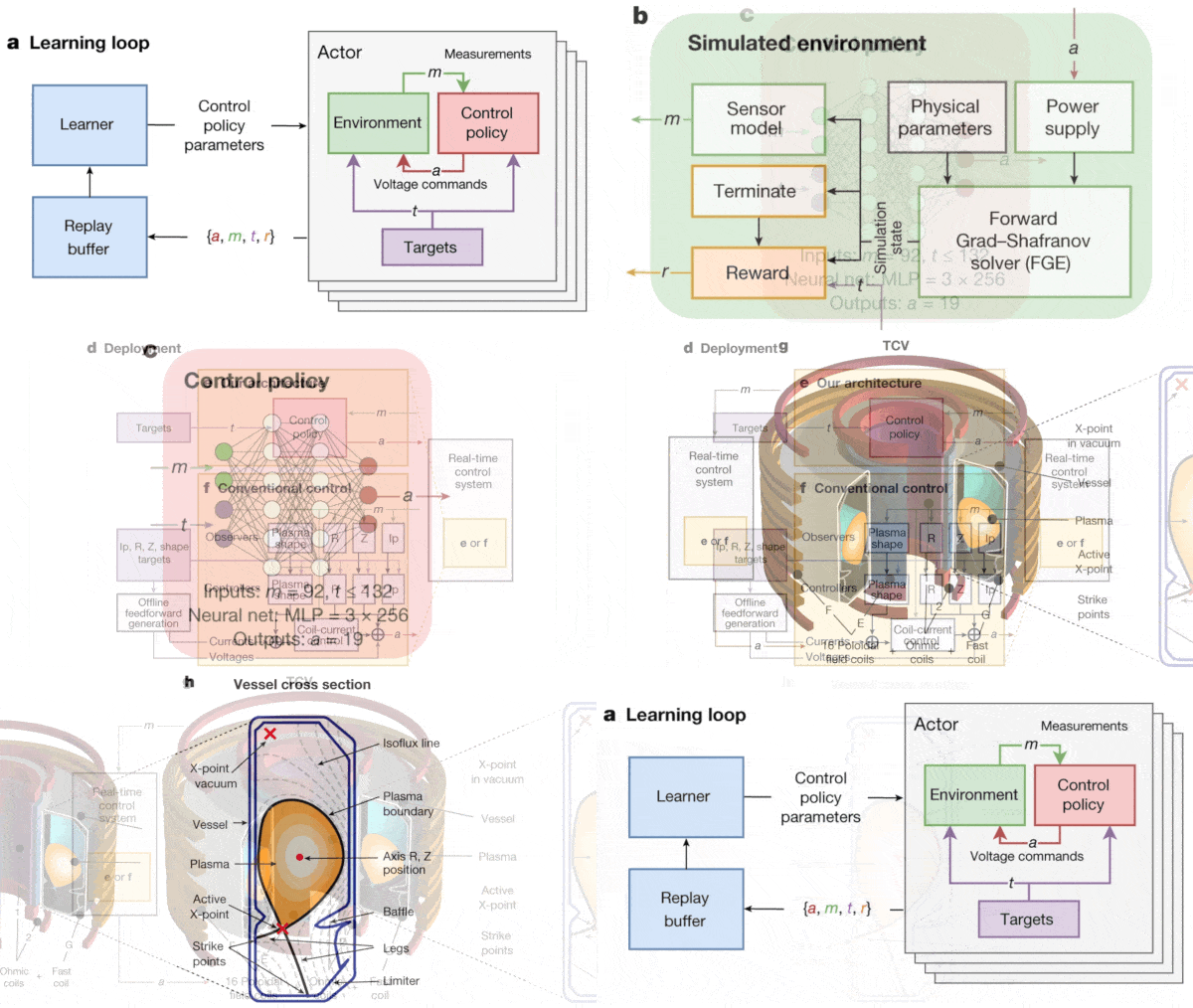
Nuclear fusion technology, long touted as an unlimited source of safe, clean energy, took a step toward reality with a machine learning algorithm that molds the fuel in a reactor’s core.
Science
Deep learning can predict how patients will respond to two antidepressant medicines.
Science
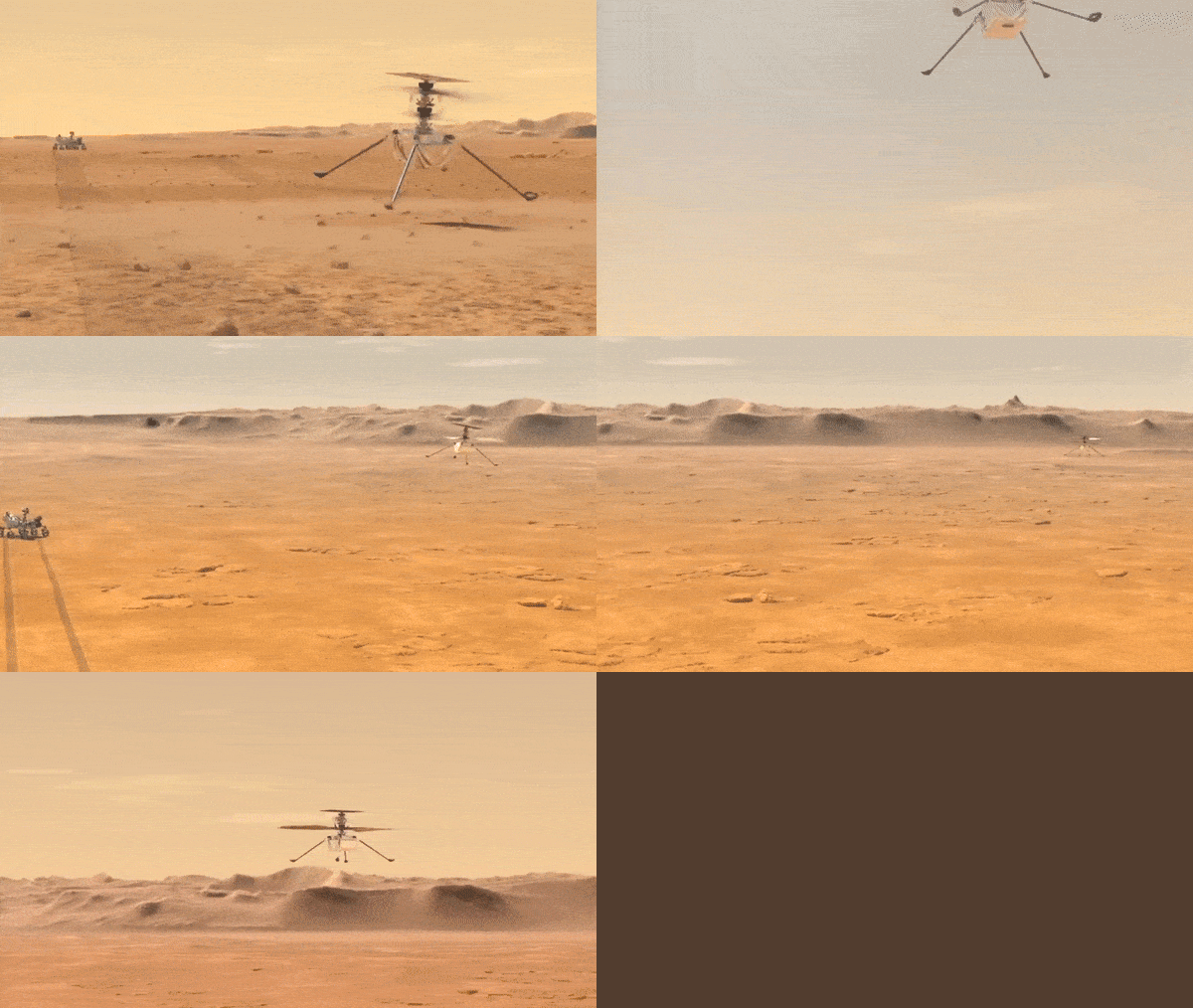
Astronomers may use deep learning to keep the sun in focus.What’s new: Researchers at the U.S. National Aeronautics and Space Administration (NASA), Catholic University of America, University of Oslo, and elsewhere developed a model that helps recalibrate a space telescope focused on the sun.
Science
Neural networks translated a paralyzed man’s brainwaves into conversational phrases. Researchers trained a system to interpret electrical impulses from the brain of a man who had lost the ability to speak 15 years ago, and displayed them as words on a video screen.
Science
An insect-sorting robot could help scientists grapple with the global biodiversity crisis. An automated insect classifier sucks in tiny arthropods, classifies them, and maps their most important identifying features.
Science
Computer vision is probing the history of ancient pottery | What’s new: Researchers at Northern Arizona University developed a machine learning model that identifies different styles of Native American painting on ceramic fragments and sorts the shards by historical period.
Science
A combination of computer vision and drones could help restore dwindling killer whale populations. Researchers at Oregon State University and conservation groups SR3 and Vulcan developed a system that assesses the health of orcas.
Science
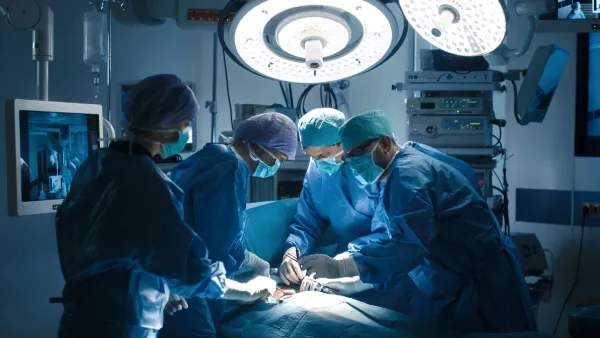
Surgical robots perform millions of delicate operations annually under human control. Now they’re getting ready to operate on their own.