ChatGPT for Teens Gets a Report Card: OpenAI adds features for youths as studies doubt program's safety and educational impact
OpenAI announced that it would add college-planning and study tools to its under-18 experience.
OpenAI announced that it would add college-planning and study tools to its under-18 experience. On the same day, child-safety group Common Sense Media gave ChatGPT for Teens its lowest grade.
What’s new: OpenAI outlined new features for ChatGPT for Teens, a version of ChatGPT for users whom the app identifies as under 18. They include College Planner, a forthcoming tool to track college applications, as well as flashcards and tools for turning class notes into quizzes.
How it works: ChatGPT for Teens isn’t a separate model or app but a bundle of settings, classifiers, prompts, and interface features that switch on for accounts registered to 13- to 17-year-olds or that an age-prediction model judges likely to belong to a minor. That model estimates age from signals including how old the account is, when it’s active, usage patterns, conversation topics, and the user’s stated age. Adults who are misclassified can exit by verifying their age with a third-party service.
- Model behavior: A section of OpenAI’s Model Spec, added in December 2025, directs the model to avoid romantic language and not to imply that it has feelings or consciousness. Specific safeguards for teens, including a “reduce sensitive content” setting that users can’t turn off, aim to limit material related to self-harm, violence, eating disorders, dangerous activities, and explicit sexual or graphic content.
- Parental controls: Parents who link their accounts to a teen’s can manage settings like Quiet Hours. They also receive notifications in limited high-risk situations, including possible signs of suicide or self-harm. OpenAI added notifications for bans related to violent activity in July and eating-disorder notifications in August.
- College Planner: The initial U.S. version is aimed at students in grades 10 through 12 who plan to attend four-year colleges. It will combine requirements from each prospective school on a student’s list, from application materials to financial aid, into a single plan and timeline. OpenAI is also funding College Advising Corps, a nonprofit that places advisers in under-resourced high schools.
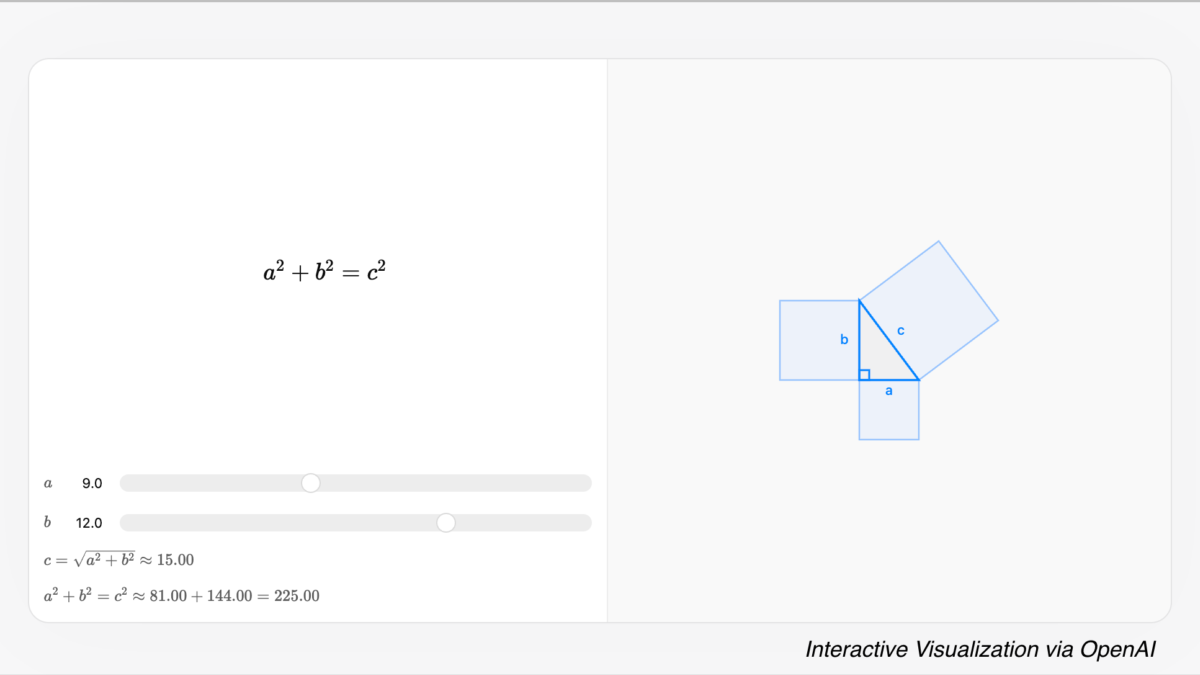
- Learning tools: Study Mode guides teens through problems step by step instead of handing over complete answers. Homework reminders may suggest Study Mode when a teen appears to be trying to shortcut an assignment. Study Hours lets a teen or a linked parent schedule times when new chats start in Study Mode. The teen experience also includes quizzes and interactive math and science visualizations, with flashcards on the way.
- The company said teens average less than 15 minutes a day on ChatGPT, and fewer than two percent have sessions longer than three consecutive hours. In nearly half of conversations that triggered a break reminder, the teen paused or stopped within five minutes. In one week, almost 1.2 million teens used the visualization tool and more than 180,000 used Study Mode.
Results: Common Sense Media’s Youth AI Safety Institute rated ChatGPT for Teens “Unacceptable Risk,” its lowest rating, and urged OpenAI to restrict ChatGPT to adults until independent testing shows the teen protections work. The organization previously rated ChatGPT “High Risk” in October 2025, but the institute cautions that its testing methods have since expanded. For its latest assessment, it ran more than 4,000 prompts on accounts registered to 13- to 17-year-olds, roughly half before ChatGPT for Teens launched (July 13–August 17) and half afterward (August 25–September 28). OpenAI disputed the findings.
- Parental alerts: Testers posing as teens in crisis made explicit disclosures for up to an hour. The parent accounts received no alerts except for those with weeks of history on sensitive topics. OpenAI told the institute that accounts must be linked for about three hours before alerts can fire. The institute said some test accounts had been linked longer than that and stood by its results.
- Crisis referrals: ChatGPT missed more than one in four crisis referrals that the institute’s psychiatrists judged warranted, and for many categories response rates fell after ChatGPT for Teens’ launch. Given prompts with mentions of suicide and self-harm, hotline mentions fell from 88 percent to 77 percent, though 88 percent of responses offered some kind of resource in both periods. Given prompts that indicate depression, the share of responses that named a hotline fell from 63 percent to 3 percent. Given prompts that indicate substance-use, the hotline response rate rose from 4 percent to 58 percent. Nearly all pre-launch crisis responses included at least one follow-up question, usually about the user’s immediate safety, but after the launch, just 13 percent did.
- Homework: Study Mode frequently offered a “show me the answer” button that produced a finished assignment. Teens can also exit parent-scheduled Study Hours by deleting an “@study” prefix from a message, after which ChatGPT completed every assignment testers submitted. With Study Mode off, homework reminders appeared in 91 percent of tests, but ChatGPT completed the assignment in all 80 cases.
- Companionship: Despite OpenAI’s Under-18 rules, the model spoke as though it had feelings of its own when testers treated it as a person.
- Age estimation: In the institute’s tests, accounts registered as adults never switched to the teen experience, even after testers said they were 13.
OpenAI’s response: OpenAI told The Wall Street Journal that testing may have started and ended before parental controls had fully activated, and if so, the tests couldn’t show whether parental notifications work as designed. The company asked the institute to retest with fully activated teen accounts and a larger sample, and said it would act on credible findings. Tom Siegel, the institute’s executive director, said the group shared its results with OpenAI before publication. He said the group hoped OpenAI would address the findings rather than question the methodology. The institute receives funding from philanthropic and industry sources, including the OpenAI Foundation and makers of some products it evaluates. It says it retains full editorial control over its results.
Behind the news: The launch comes amid a broader debate over how, and whether, minors should use AI.
- Teens already use chatbots widely. In a Pew Research Center survey of 1,458 U.S. teens published in February, 64 percent said they’d used a chatbot, and about three in 10 said they used one daily. More than half had used chatbots for schoolwork, and 12 percent had used them for emotional support or advice.
- Lawmakers are moving to regulate AI for teens. In the U.S., the GUARD Act would require AI companion providers to verify users’ ages and bar minors. It would also require all consumer chatbots to disclose that they aren’t human. The bill cleared the Senate Judiciary Committee 22-0 in April and awaits a vote by the full Senate.
- In June, Florida became the first U.S. state to sue OpenAI, alleging that the company marketed ChatGPT as safe for teens, used their data without parents’ permission, and concealed risks. Recently, eight more states followed suit.
- A growing body of research shows that use of chatbots harms student learning. For example, a randomized trial of nearly 1,000 Turkish high school math students showed students who practiced with an unrestricted GPT-4 chatbot scored higher on homework (because of AI assistance) but scored 17 percent lower on a later exam without AI than students who never had access. (The study also showed that a version with a modified prompt (which is dissimilar from how it is typically used) could avoid that loss.)
Why it matters: Education studies suggest that AI usage hurts student learning. In theory (but rarely in practice), guided, educator-driven use can support learning, but unrestricted access to answers leaves students less able to solve problems independently. OpenAI’s “show me the answer” button falls into the latter category. The Youth AI Safety Institute also warns that parents may develop false confidence in notifications that don’t reliably trigger if their teens are in crisis.
We’re thinking: Teens stand to gain a lot from AI, whether they’re using it to look up information, work on their own projects, or manage their schedules. But it’s unclear to us that a student working alone with a chatbot, whether under strict safeguards or not, is the right vehicle for education. As is, ChatGPT for Teens doesn’t work as advertised for teens or their parents. Minors deserve better, and it’s up to AI companies and developers to work hard to improve applications built for them.